


Welcome back to Theology Thursday!
Here is your bite-sized lesson in orthodox biblical doctrine in 3 simple steps:
ONE concept explained
TWO concise definitions that must be kept distinct
THREE Scripture passages to meditate on
Concept: The Incarnation & Jesus’ First Miracle
Have you ever thought about the connection between Christ’s first Advent and His first miracle? He could’ve chosen anything for His first miracle—Blind eyes opening, lame walking, dead rising—but He chose turning water to wine. What does this have to do with Christmas?
The context of the first miracle in John’s gospel is John’s prologue: “The Word was God…He was in the beginning with God…the Word became flesh and dwelt among us.” Here, we have a claim about the incarnation, followed by the introduction of a man named John, and a wedding in Cana. But no birth narrative. Why, John? Why?!
First, He makes it clear that when the Word became flesh, we beheld His glory. When He began His ministry and miracles, Jesus desired His glory to be revealed as the second person of the Trinity who took to Himself a true human nature. In His miracles, He showed He was the God-man, the One who could do what only God can do. The question remains: Why water to wine?
Second, the glory of the Son of God was progressively revealed. So, when the narratives began, John took the angle of a wedding that lacked wine rather than a manger laced with hay. The miracles of the incarnate Son were not only signs to show off His Godhood—they were snapshots of a coming Kingdom that has now broken into the present. When Jesus turns water into wine, it should’ve shocked some onlooking Jews who knew the Scriptures, and not just because it was an unusual party trick. In the Old Testament, wine was a symbol of the restoration of God’s Kingdom. For the rebellious Israelites, the promise of wine and fruitful vineyards was tremendous good news since it was a sign of redemption and the restoration of true joy in their land as they lived under God’s benevolent rule. Through this inaugural miracle, it’s as if Jesus was communicating, “The world sat in joyless darkness for hundreds of years—no word from the Lord. But the true Word has arrived, light has dawned, and He has arrived as the bringer of true joy, the restorer of God’s people.”
We sing “Joy to the World” this season, but let’s do so remembering that it’s only because of Christ’s first Advent that His joyous Kingdom has broken into the present, and joy will be restored in its fullness when He comes to this World in the future. Because the Word became incarnate, new wine has come; thankfully, true joy is now forever restored to God’s people.
Definitions/Distinctions:
Miracles: A miracle is an unusual, unexplainable, and extraordinary act of God in time and space that transcends all laws of nature, logic, and scientific exploration.
Redemption: Redemption refers to being purchased and delivered from bondage. God works redemption for His people by purchasing them out of the slavemarket of sin through Christ’s sacrifice and transferring them under His loving rule, where they may be fully renewed and restored.
Passages:
“Be glad, O children of Zion, and rejoice in the Lord your God, for he has given the early rain for your vindication; he has poured down for you abundant rain. the early and the latter rain, as before. ‘The threshing floors shall be full of grain; the vats shall overflow with wine and oil. I will restore to you the years that the swarming locust has eaten, the hopper, the destroyer, and the cutter, my great army, which I sent among you.’”
Joel 2:23–25
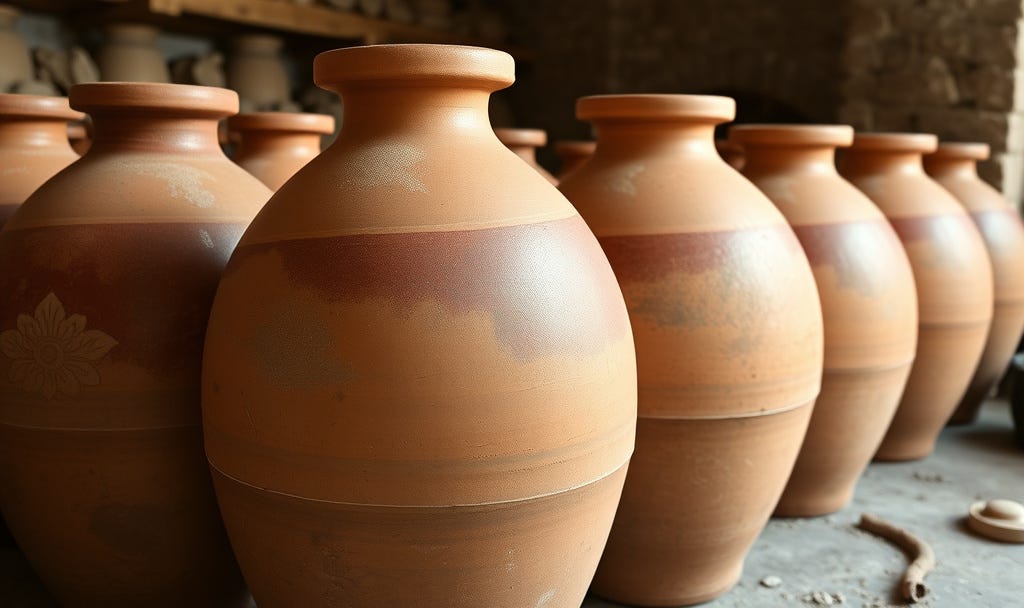
“Jesus said to the servants, ‘Fill the jars with water.’ And they filled them up to the brim. And he said to them, ‘Now draw some out and take it to the master of the feast.’ So they took it. When the master of the feast tasted the water now become wine, and did not know where it came from… This, the first of his signs, Jesus did at Cana in Galilee, and manifested his glory. And his disciples believed in him.”
John 2:7–9, 11
“You cause the grass to grow for the livestock and plants for man to cultivate, that he may bring forth food from the earth and wine to gladden the heart of man, oil to make his face shine and bread to strengthen man’s heart.”
Psalm 104:14–15
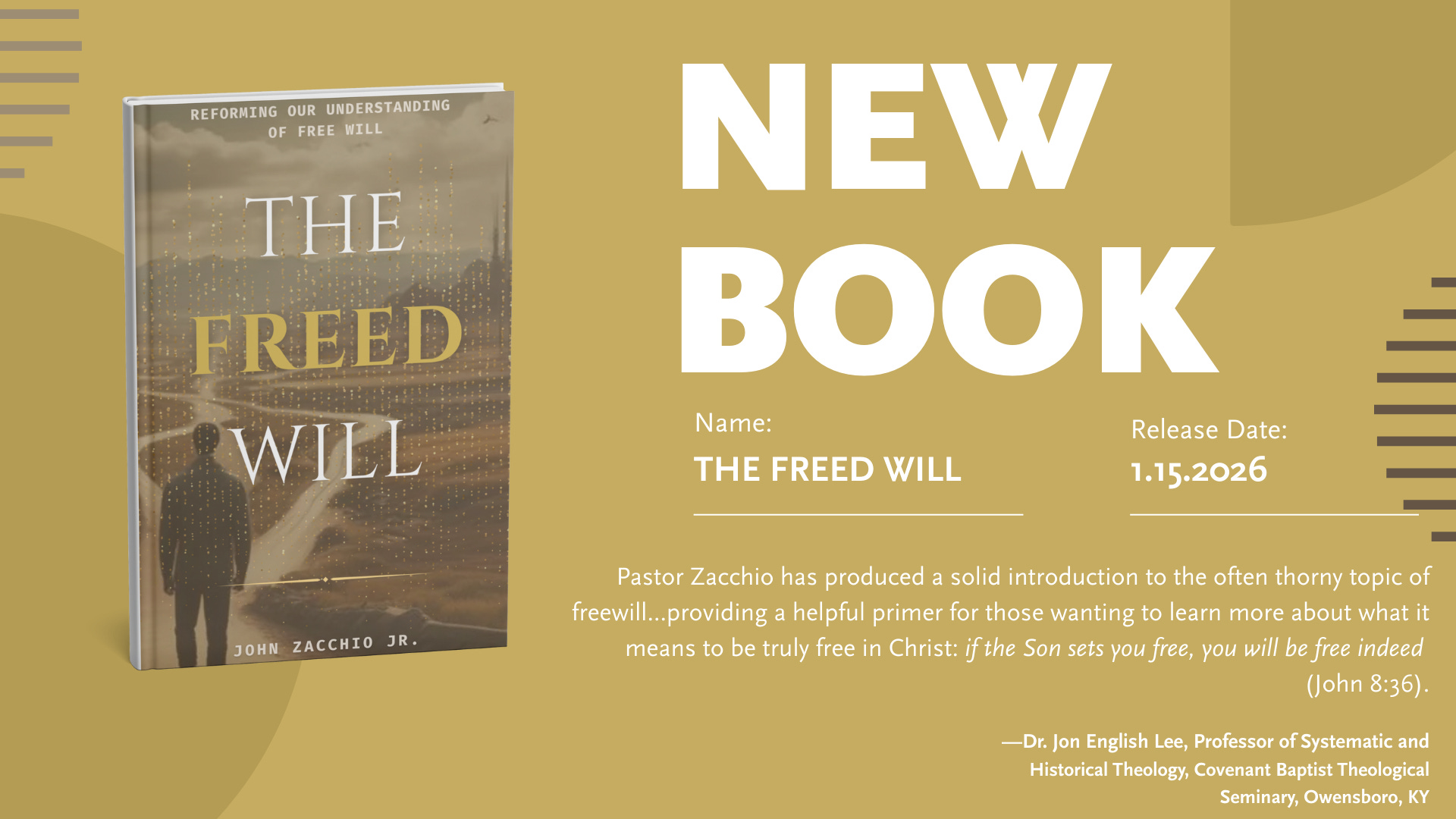
New book to be released January 15, 2026. We live in a culture where autonomy is worshiped, and confusing debates on the nature of man ensue within the church. I wrote The Freed Will to defend the doctrine of free will from a Biblical, Pastoral, and Confessional perspective to hopefully shed some light on a difficult subject. Be sure to pick up copies on Amazon (1.15.26) for you and your church!